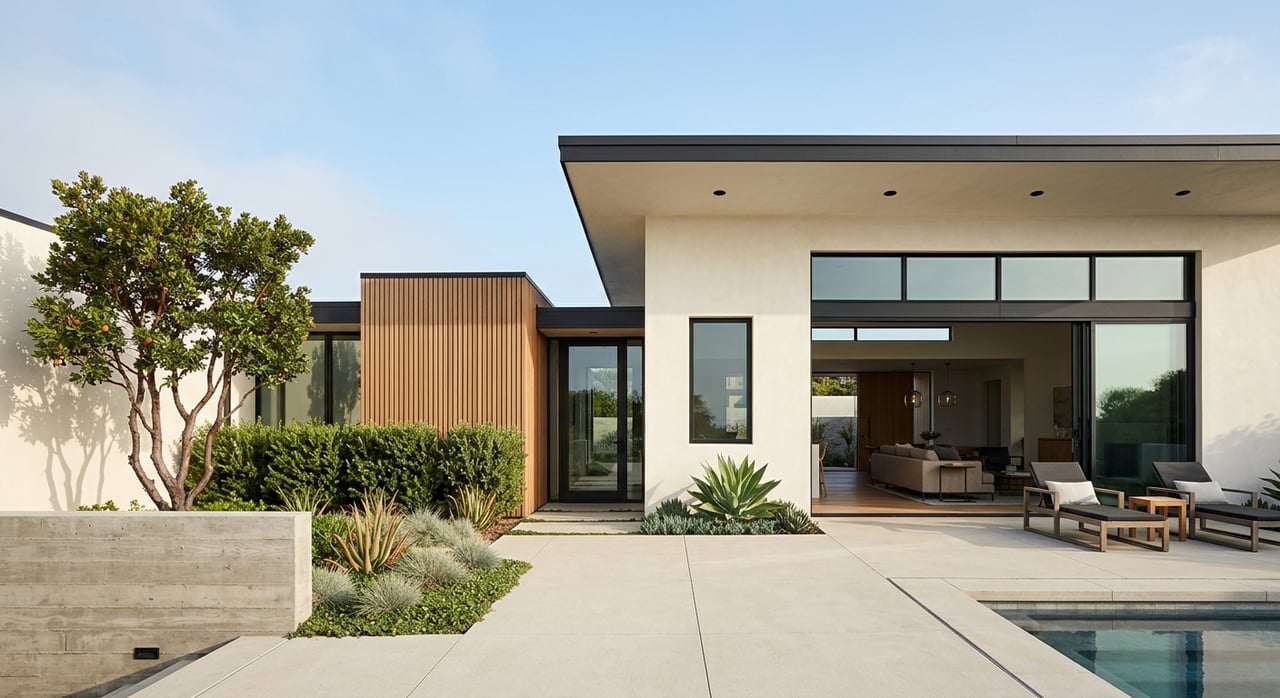
You do not buy a Malibu second home for the same reasons you buy a typical weekend place. In Malibu, the lifestyle is deeply tied to the land itself, from beach stretches along Pacific Coast Highway to bluff-top terraces, canyons, and the more practical center of town. If you are thinking about a second home here, you need more than a wish list. You need a clear plan for how you want to live, what level of upkeep you can handle, and which local rules may shape your options. Let’s dive in.
Why Malibu second homes are different
Malibu is not one uniform market. The city’s land use planning describes a narrow coastal strip, wave-cut terraces above the beach, and deep stream-cut canyons, which means your ownership experience can vary dramatically from one area to another.
That matters because the entire city sits within California’s coastal zone. In practical terms, a purchase may come with added review for future improvements, remodels, or changes in use under Malibu’s Local Coastal Program and related permit processes.
For you as a second-home buyer, that means the home’s setting and the city’s rules often go hand in hand. A property that feels like a simple escape today may require more planning tomorrow if you want to update it, expand it, or use it as a rental.
Choose the Malibu lifestyle you want
The smartest way to start your search is to decide what matters most in your day-to-day use of the home. In Malibu, the biggest tradeoffs usually come down to beach access, views, privacy, convenience, and ease of ownership.
Beachfront living
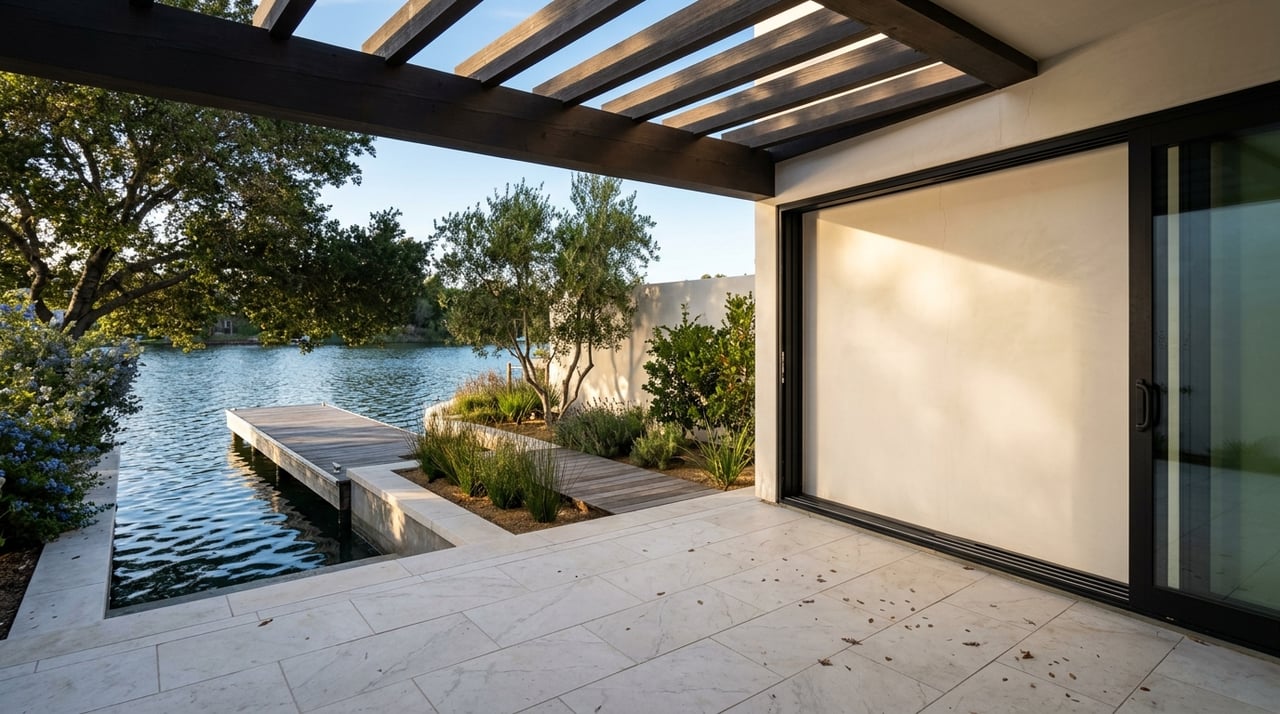
Beachfront and near-ocean homes offer the classic Malibu experience. Areas such as Carbon Beach, Malibu Beach, Malibu Lagoon, Malibu Colony, Malibu Road, Broad Beach, La Costa, and Las Flores are known for direct beach access and a strong connection to the water.
That appeal comes with added exposure to coastal conditions. Malibu’s adopted coastal planning and vulnerability work highlights sea-level rise, tidal inundation, storm flooding, and coastal erosion, so these homes deserve especially careful due diligence.
If your priority is waking up to the ocean and stepping onto the sand, this may be your lane. Just be prepared for more attention to insurance, erosion considerations, and long-term maintenance.
Bluff-top views and separation
Bluff-adjacent settings such as Malibu Bluffs, Point Dume, Escondido, and Big Rock often offer elevated views and more distance from the shoreline. For many second-home buyers, this creates a compelling balance between scenery and privacy.
These sites can also come with stricter design and siting considerations. Malibu’s land use policies note that development may need to protect views, minimize landform changes, and follow blufftop setbacks that can exceed basic geologic setbacks.
If you want a lock-and-leave home with visual drama and a bit more separation from the beach crowds, bluff areas may be worth a close look. The tradeoff is that future remodel plans may require more careful review.
Canyon privacy and retreat feel
Canyon locations such as Malibu Canyon, Latigo Canyon, Encinal Canyon, Corral Canyon, Decker Canyon, and Tuna Canyon offer a very different experience. These homes often feel quieter, more tucked away, and more private than properties along the coast.
That privacy usually comes with greater reliance on road access and emergency planning. Malibu’s wildfire preparedness guidance encourages residents to know evacuation routes, maintain go-bags, and plan multiple ways out.
If you picture your second home as a peaceful retreat rather than a toes-in-the-sand base, a canyon property may fit. You just need to be realistic about access, brush management, and fire-readiness.
Central Malibu convenience
If you expect to use your second home often for shorter stays, convenience can matter as much as scenery. The Civic Center area is Malibu’s main commercial hub, with city offices, county offices, and everyday services nearby.
For some buyers, this is the most practical compromise. You still get Malibu living, but with easier errands and less isolation than more remote stretches of the coast or canyon.
Plan for the real cost of ownership
In Malibu, your purchase price is only part of the story. A second home here often comes with carrying costs and property management needs that are more involved than in a typical suburban market.
Property taxes and supplemental bills
In Los Angeles County, secured property tax bills are mailed by November 1 and are due in two installments, November 1 and February 1. The delinquency dates are December 10 and April 10.
Because California property taxes are generally reassessed when ownership changes, your purchase may also trigger a supplemental tax bill. That bill arrives separately from the regular annual tax cycle, so it is important to budget for it early.
Insurance takes more planning
Malibu sits in a High Fire Severity Zone, so insurance planning deserves attention well before closing. The city advises residents to know evacuation zones MAL-C111 through MAL-C114, use multiple alert channels, and keep go-bags ready.
If standard market coverage is difficult to obtain, the California FAIR Plan may serve as a safety net. Depending on the property location and loan type, flood insurance may also matter, and earthquake insurance is available through participating insurers tied to the California Earthquake Authority.
For a second home, insurance is not something to sort out after escrow. It should be part of your offer-stage due diligence and monthly cost analysis.
Wastewater and systems matter more here
One of the biggest logistical differences in Malibu is wastewater infrastructure. The city’s housing planning documents state that Malibu has no municipal sewer service, and most properties rely on individual onsite wastewater treatment systems.
That means you should understand the property’s system, permit status, and maintenance needs before you buy. If you are considering rental use, Malibu’s short-term rental rules also require a valid OWTS operating permit or a compliance agreement for eligibility.
In everyday ownership, this translates to more systems awareness. You may need to stay on top of wastewater maintenance, coastal wear, landscaping, and brush clearance in a way that feels more hands-on than other second-home markets.
Know the rental rules before you buy
Some buyers hope a Malibu second home will offset costs with occasional rental income. If that is part of your strategy, you need to verify the local rules before you write an offer.
Malibu’s short-term rental program is permit-based. The city states that renting or advertising residential property as a short-term rental without a permit is a violation, and defines short-term rentals as stays of 30 days or less.
Permits are issued for one year and renewed annually. The city also requires compliance with transient occupancy tax rules, and its code of conduct covers issues such as noise, trash timing, and onsite parking where possible.
There is another important point for second-home buyers. Malibu has a separate Hosted STR Ordinance that is still contingent on California Coastal Commission certification before taking effect, so it is not wise to assume the rules will remain unchanged.
If rental income matters to your budget, confirm four things before moving forward:
- Current short-term rental permit status
- OWTS permit or compliance status
- Any HOA or CC&R restrictions
- How changes to city rules could affect your plans
Build a smarter Malibu search
A focused search saves time and helps you compare properties on the right terms. In Malibu, that usually starts with choosing your primary ownership goal.
If beach access comes first
Prioritize oceanfront and near-ocean locations. Expect stronger coastal exposure and more diligence around erosion, insurance, and permits for future work.
If views and privacy come first
Look closely at bluff-top and canyon settings. These can deliver a more private ownership experience, but access, emergency readiness, and site constraints become more important.
If convenience comes first
Concentrate on central Malibu and the Civic Center area. This can reduce day-to-day friction and make shorter stays easier to enjoy.
If rental flexibility comes first
Verify city permit rules, OWTS status, and private restrictions before making assumptions about income potential. In Malibu, rental use is not something to treat casually.
If low-friction ownership comes first
Ask detailed questions about taxes, insurance options, brush clearance, alert enrollment, and routine maintenance. The right property is not always the one with the best photos. It is the one that fits how you actually plan to use it.
The right Malibu fit is personal
Malibu second-home shopping is really a search among different ownership experiences. Beach, bluff, canyon, and central Malibu each offer a distinct mix of access, privacy, upkeep, and regulatory complexity.
The best choice depends on what you want your second home to do for you. If you are clear about your lifestyle goals and realistic about logistics, you can buy with much more confidence and far fewer surprises.
When you want a calm, concierge-level approach to evaluating Malibu opportunities and narrowing the right fit, Karen Sandvig can help you move forward with clarity.
FAQs
What makes buying a second home in Malibu different from other coastal markets?
- Malibu’s ownership experience varies widely by micro-location, and the entire city is in the coastal zone, which means local permitting, coastal review, and site conditions can have a major impact on future plans.
What should you budget for when buying a Malibu second home?
- You should plan for regular property taxes, possible supplemental tax bills after closing, insurance needs, wastewater system maintenance, landscaping, brush clearance, and added wear from coastal conditions.
What should you know about wastewater systems in Malibu second homes?
- Malibu does not have municipal sewer service, so most homes use individual onsite wastewater treatment systems, which makes permit status, maintenance, and operating requirements important parts of due diligence.
What should you know about Malibu short-term rental rules before buying?
- Malibu requires a permit for short-term rentals of 30 days or less, with annual renewal, and buyers should also verify OWTS compliance, transient occupancy tax obligations, and any HOA or CC&R limits.
Which Malibu area is best for a second home lifestyle?
- The best fit depends on your priorities: beachfront areas emphasize direct water access, bluff areas emphasize views, canyon locations emphasize privacy, and central Malibu emphasizes convenience.
What insurance issues matter most for a Malibu second home?
- Wildfire planning is especially important, and depending on the property, you may also need to explore flood and earthquake insurance options as part of your total ownership costs.