What Malibu fits you best: toes-in-the-sand living, a quiet bluff with sweeping views, or a private canyon retreat tucked into the Santa Monica Mountains? If you are weighing options, it helps to see how the city organizes around lifestyle. In this guide, you will compare beachfront, bluff-top, and canyon neighborhoods, along with commute routes, beach access, and permitting basics. You will finish with a clear path to the pocket that matches your day-to-day. Let’s dive in.
How Malibu is organized
Malibu lines up along the Pacific Coast Highway (PCH), the main road that connects most neighborhoods and services. Coastal pockets sit directly on or above the sand, while inland communities rise into the mountains north of PCH. Think of three lifestyle buckets: beachfront strips, bluff-top enclaves, and canyon communities. For local context and planning resources, start with the City of Malibu.
Beachfront strips: carbon to colony
Setting and lifestyle
Beachfront homes line the sand or sit just above it along PCH, especially near Carbon Beach, Malibu Colony, Broad Beach, and Malibu Road by Surfrider and the Malibu Pier. The vibe centers on surf sessions, beach walks, and easy access to oceanfront dining. Surfrider and Malibu Lagoon anchor the classic beach culture, with details available from the state beach pages. If you want the most direct ocean connection, this is where you look.
Home types and architecture
You see custom contemporary estates, multi-level glass beach houses, and reimagined cottages on tight lots in older pockets. Large windows, open plans, and indoor–outdoor decks are common. For a feel of current design, explore how magazines highlight modern Malibu beach houses, such as this California contemporary example.
Pricing and expectations
Beachfront is Malibu’s ultra-premium tier. Carbon Beach is often called “Billionaire’s Beach”, and top streets can reach some of the highest sale prices on the coast. In general, expect per-square-foot values above bluff and canyon homes, with strong demand for turnkey, view-forward properties.
Public beach access note
Beaches seaward of the mean high tide line are public, though access points may be limited. The City’s certified Local Coastal Program sets development and access rules, and some parcels include public easements. If beach access is on your checklist, review the City’s Local Coastal Program and the California Coastal Commission’s access publications to understand how vertical access works along different stretches.
Bluff-top enclaves: views and space
Setting and lifestyle
Bluff neighborhoods such as Point Dume, the Zuma bluffs, Encinal Bluffs, and Big Rock sit above the shoreline with panoramic ocean and island views. Many spots offer trail or stair access to beaches, with more separation from PCH traffic. Point Dume includes a state preserve with overlooks and trails; see the state parks page for general information.
Home types and architecture
Expect custom estates designed to capture views, plus remodeled Mediterranean, Spanish Revival, and some mid-century homes. Lots can be larger than tight beachfront parcels, and siting often prioritizes outlooks, courtyards, and terraces. If you want drama and privacy without living on the sand, bluffs check both boxes.
Pricing and expectations
Bluff properties trade at high prices with premiums for big sightlines, but they usually trail the very top beachfront per-square-foot values. You gain space and a quieter setting compared to the sand, and you still get quick access to wide beaches like Zuma and nearby trail networks.
Canyon communities: land, privacy, and value
Setting and lifestyle
Canyon neighborhoods, including Latigo, Corral, Encinal, Trancas and Malibu West, Serra Retreat, and Malibu Country Estates, sit inland in the Santa Monica Mountains north of PCH. The feel is woodsy and private, with winding roads, birdsong, and night skies. You trade walkable sand for a short drive to the beach, plus more land and separation from coastal activity.
Home types and architecture
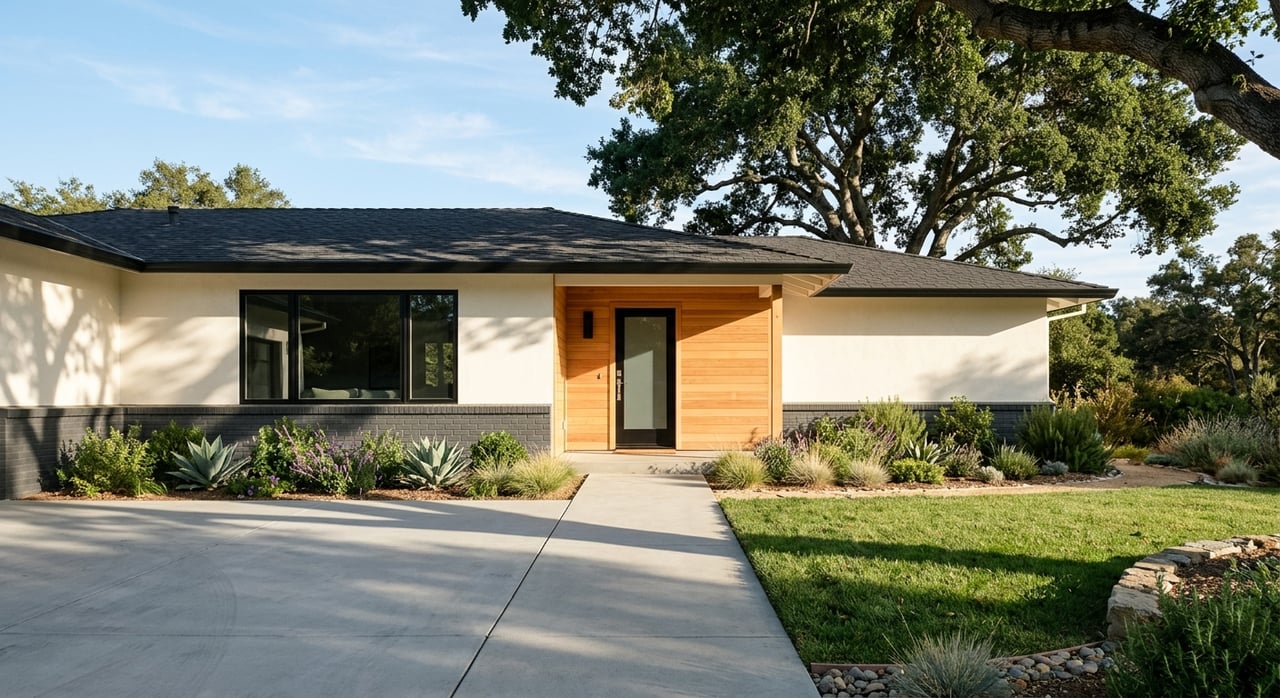
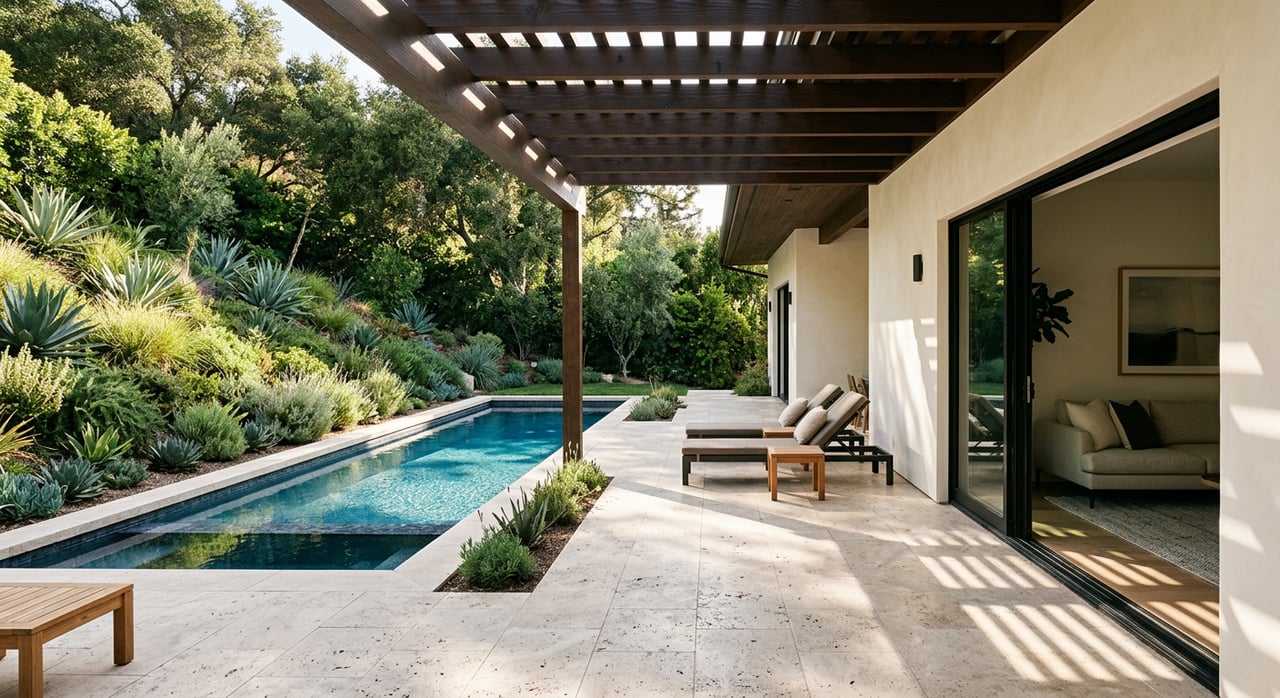
You find a wide mix: ranch and cottage-style homes, mid-century remodels, newer contemporary estates on larger lots, and some gated subdivisions. Smaller, older homes can offer a lower entry point to Malibu ownership compared to coastal strips. If you want room for gardens, studios, or a pool compound, the canyons deliver options.
Pricing and expectations
Canyon pricing spans a broader range. Some large-lot or newly built estates reach into high price tiers, but many homes trade below comparable beachfront or bluff properties. Buyers often choose the canyons for privacy, land, and relative value per square foot.
Commute, services, and daily convenience
PCH is the primary local artery that connects neighborhoods, shopping, and beaches. For trips to the Valley and US‑101, the key routes are Kanan Dume Road and Topanga Canyon Boulevard. Homes with quicker access to these connectors can shorten Valley-bound commutes; review the basics on Kanan Dume Road and check live mapping for day-and-time specifics. Community hubs near the Malibu Civic Center, the Pepperdine corridor, and Trancas provide shopping, dining, and services without leaving Malibu.
What to weigh: lifestyle trade-offs
- Surf access and beach life:
- Central beachfront near Surfrider and the Malibu Pier is a go-to for classic point-break culture; see Surfrider and Malibu Lagoon details.
- Western Malibu near Zuma and Point Dume offers wide sand, parking, and strong surf scenes.
- Privacy and estate scale:
- Bluff-top pockets and gated canyon areas typically deliver larger lots and more separation from PCH.
- Commute flexibility:
- Canyons with quicker access to Kanan Dume or Topanga can reach US‑101 faster than some remote coastal stretches; review route options on Kanan Dume Road.
- Everyday convenience:
- Living near community hubs like the Civic Center or Trancas blends beach proximity with shopping, dining, and services.
- Renovation and permitting:
- Beachfront and bluff-edge changes often require coastal permits. Start with the City’s Local Coastal Program and the Coastal Commission’s guidance to understand timelines and constraints.
Choosing your pocket: a quick checklist
- Define your top two must-haves. Is it daily surf access, a quiet view perch, or land and privacy?
- Map your routine. Note school, work, and recreation stops, then test-drive PCH and the canyon connectors at your likely commute times.
- Align budget with lifestyle. Beachfront is the premium tier, bluffs are high with more space, and canyons offer broader price dispersion.
- Assess renovation appetite. If you plan to remodel near the shore or in sensitive habitat areas, check required permits and realistic timelines with the Local Coastal Program.
- Confirm beach access. For any home near the sand, review public access points and easements via the Coastal Commission resources and state beach pages.
Coastal rules and permits: what to know
All of Malibu is in California’s coastal zone. The City administers a certified Local Coastal Program that oversees coastal development permits, setbacks, and some public-access obligations. If you plan a rebuild or a shoreline change, coordinate early with the City and review the Local Coastal Program. To understand public access easements and the difference between public beaches and private yards, consult the Coastal Commission’s publications and the state-managed beach pages.
Final thoughts
In Malibu, the best neighborhood is the one that fits your daily life. Beachfront delivers unmatched ocean connection, bluffs offer views and space, and canyons provide privacy and land with a short drive to sand. If you want help matching lifestyle, budget, and permits to the right pocket, connect with a local advisor who can guide you from shortlist to keys.
For a private consultation and a tailored game plan for buying or selling in Malibu, reach out to Karen Sandvig. Request a Complimentary Home Valuation & Marketing Plan.
FAQs
Which Malibu area is best for everyday surf near the Pier?
- Central beachfront by Surfrider and Malibu Lagoon offers classic point-break access; confirm current details on the state beach page.
How do beachfront and bluff-top prices compare in Malibu?
- Beachfront is the ultra-premium tier with some of the highest sale prices, while bluff-top homes are generally high but often below top beachfront per-square-foot values.
What should I know about public beach access next to oceanfront homes?
- Beaches seaward of the mean high tide line are public; access points vary by location, so review the Coastal Commission’s guidance before you visit or buy.
Which routes help Malibu canyon residents reach the Valley and US‑101?
- Many residents use Kanan Dume Road or Topanga Canyon Boulevard; see an overview of Kanan Dume Road and check live maps for actual drive times.
Do I need special permits to remodel near the shoreline in Malibu?
- Most beachfront and bluff-edge projects require coastal permits; start with the City’s Local Coastal Program to understand steps and timelines before planning work.