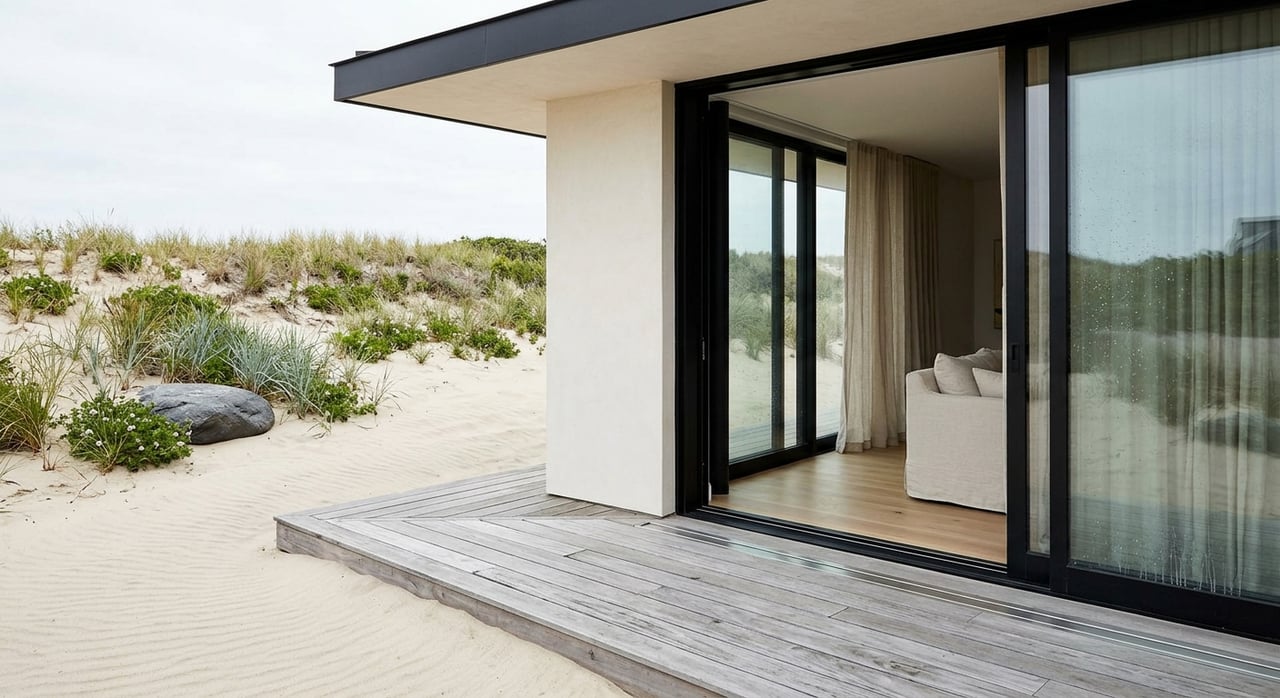
If you are pricing a Malibu oceanfront home right now, the view alone is not enough to set the number. Buyers are looking closely at frontage, access, condition, permit history, and risk, and they are taking their time. In a market with thin inventory but slower absorption, the right price has to be both aspirational and grounded in what today’s buyers will actually pay. Let’s dive in.
Malibu oceanfront pricing starts with market reality
Malibu’s broader market has softened from a year ago. In March 2026, the median sale price was $4.8 million, down 13.6% year over year, with homes taking 175 days to sell and closing at about 90.6% of list price.
That citywide snapshot matters, but oceanfront pricing requires a narrower lens. On Malibu Road, homes were described as selling in 77 days on average and about 7% below list, with recent examples ranging from a sale at list to properties that needed long marketing periods or notable discounts.
Inventory is also limited. Current Malibu oceanfront inventory shows just 13 active homes, with asking prices stretching from about $2.5 million to $23.5 million. That small sample size can make pricing feel tricky, but it also means each listing stands out more, for better or worse.
Why overpricing can backfire
A thin inventory market does not automatically mean you can name any price and wait. Malibu buyers at the top of the market tend to be selective, well-advised, and highly sensitive to product differences.
Recent sales show that even standout oceanfront homes may trade below asking price or take months to find the right buyer. On Malibu Road, one home sold for $19.995 million at list after 92 days, while another closed at $9 million after 363 days and 17% below list. Another sold at $7 million after 115 days, 12% below list.
There is also evidence that the market can reject an ambitious price quickly. One Pacific Coast Highway property sold for $8.65 million in December 2024, came back to market at $10.75 million in October 2025, and had been reduced to $8.495 million by March 2026.
The biggest drivers of value
Pricing a Malibu beachfront property is less about broad averages and more about exact characteristics. Two homes may both be called oceanfront, but their value can differ sharply.
Frontage and beach relationship
Frontage is one of the most important pricing factors. Current Malibu examples include properties with about 33 feet, 50 feet, 57 feet, and 70 feet of ocean frontage, and those differences can materially affect value.
Just as important is the home’s relationship to the shoreline. A direct-sand home, a bluff-top property with stair access, a private-road estate, and a beach condo may all be oceanfront, but they should not be priced from the same comp pool.
Privacy and access
Privacy is part of the product in Malibu, not just a lifestyle detail. Guard-gated access, private roads, controlled entry, hidden-cove positioning, and private stairways to the beach can all support stronger pricing when compared with more exposed or less controlled alternatives.
When buyers compare homes, they are often comparing how the property feels as much as how it measures. That means access and privacy features need to be reflected clearly in your pricing strategy.
Architecture and condition
Design pedigree matters in Malibu. Buyers may place premium value on a newer steel-frame beachfront home, a property tied to a recognized architect, or a fully finished residence with updated systems and modern features.
Condition matters just as much. A turnkey property and an original beach house may share a stretch of shoreline, but one is priced as a ready-to-enjoy residence while the other may be priced more as land, vision, or redevelopment potential.
Lot size and future options
Lot size can meaningfully influence value because it affects how a buyer sees long-term utility. A 3,102-square-foot lot and a 6,059-square-foot lot may each sit on the water, but they do not offer the same scale or flexibility.
In Malibu, buyers often look beyond the current house. They may be evaluating the parcel for future renovation, rebuilding possibilities, or the overall utility of the site over time.
Coastal rules affect price more than many sellers expect
In Malibu, regulation is not a side issue. The entire city lies within the California coastal zone, and development is governed by the City of Malibu’s Local Coastal Program and coastal development permit process.
That matters because pricing is tied not only to what the home is today, but also to what can realistically be done with it later. For new beach or oceanfront-bluff development, Malibu’s Local Coastal Program says projects must be sited outside hazard areas where possible, elevated above FEMA base flood elevation if required, and set back as far landward as possible, including a minimum 10-foot setback landward of the most landward surveyed mean high tide line.
For new development on beach, beachfront, or blufftop property, the Local Coastal Program also requires a wave-uprush and impact report prepared by a licensed civil engineer with coastal-engineering expertise. Malibu’s Local Implementation Program adds specific requirements for beachfront development involving a new or expanded onsite wastewater treatment system, including advanced treatment and plans signed by the City Coastal Engineer before final approval.
Permit history can shape buyer demand
In a market like Malibu, permit history is part of value. Buyers may want to know whether the property has prior coastal development permits, wastewater system history, shoreline protection structures, deed restrictions, public-access easements, or possible State Lands issues.
These details can affect future flexibility, cost, and risk. Malibu’s Local Coastal Program notes that shoreline protection structures can create deed restrictions and trigger new coastal development permit requirements for later work.
That is one reason two homes with similar views can perform very differently in the market. If one property presents fewer unknowns and cleaner documentation, buyers may assign it more value.
Hazard exposure is built into today’s pricing
Oceanfront buyers in Malibu are not just buying beauty. They are also weighing exposure to tidal inundation, storm flooding, wave run-up, and erosion.
Malibu’s 2026 Coastal Vulnerability Assessment identifies those risks across oceanfront properties and notes that coastal armoring covers about 31% of Malibu’s coastline. Those realities influence pricing because they shape insurance conversations, due diligence, future improvement planning, and buyer confidence.
This does not mean every seller needs to discount heavily. It does mean your asking price should reflect how your property compares on risk, site conditions, and documentation relative to the few real alternatives on the market.
How to choose the right comparable sales
The fastest way to misprice a Malibu oceanfront home is to use broad Malibu comps without matching the actual shoreline product. In this niche, the comp set must be extremely tight.
A practical framework is to compare properties in this order:
- Same shoreline corridor
- Sand versus bluff location
- Frontage width and beach access
- Privacy and access controls
- Architecture and condition
- Permit, hazard, and shoreline history
This is why a Carbon Beach condo, a Broad Beach sandy-lot home, a bluff-top Victoria Point property, and a Pacific Coast Highway estate should not be treated as interchangeable. They appeal to different buyers and support different pricing logic.
A smart pricing strategy for Malibu sellers
If you are preparing to sell, your pricing strategy should match the property’s true position in the market. That means looking beyond square footage and view lines.
Start by deciding how the home should be framed. Is it best positioned as a finished residence, a design-forward luxury offering, a rare frontage opportunity, or a land and redevelopment play? The answer shapes both pricing and marketing.
Next, study the nearest competitive set, not just the broad Malibu average. With only a small pool of active oceanfront listings, buyers will compare your property line by line against the alternatives that feel most similar.
Finally, build a strategy around timing. In today’s market, sellers should budget for negotiation and for a marketing period that may be longer than expected, especially if the home sits in a narrower buyer segment or carries complex coastal considerations.
What sellers should review before setting the list price
Before you finalize a number, it helps to review a few key questions:
- Which recent sales are truly comparable to your property type?
- Is your home direct sand, bluff-top with stair access, in a private enclave, or another niche category?
- What does the permit file show for coastal approvals, wastewater systems, seawalls, or revetments?
- Are there any deed restrictions, easements, or State Lands issues tied to the parcel?
- Is the home being priced as a move-in-ready residence or for redevelopment potential?
- How much time should be built into the plan for marketing and negotiation?
In Malibu, strong pricing is not guesswork. It is the result of tight comp selection, careful review of coastal factors, and disciplined positioning from day one.
When you are ready to evaluate where your oceanfront home fits in today’s market, Karen Sandvig can help you build a tailored pricing and marketing plan with the discretion, presentation, and strategic guidance luxury properties require.
FAQs
How should you price a Malibu oceanfront home in today’s market?
- You should price it using highly specific comparable properties, with close attention to shoreline corridor, beach type, frontage, access, condition, and coastal factors rather than broad Malibu averages alone.
What affects Malibu beachfront home value the most?
- The biggest drivers are frontage width, direct sand versus bluff position, privacy, beach access, architecture, condition, lot size, and any permit or hazard issues tied to the property.
Are Malibu oceanfront homes selling below asking price?
- Recent market data shows that some Malibu oceanfront homes have sold at list, while others have sold below list or taken longer to sell, so pricing discipline remains important.
Why does permit history matter for a Malibu beachfront sale?
- Permit history can affect future improvements, redevelopment flexibility, and buyer confidence, especially when coastal development permits, wastewater systems, shoreline protection, or deed restrictions are involved.
Do coastal hazards impact Malibu oceanfront home pricing?
- Yes. Buyers may factor in tidal inundation, storm flooding, wave run-up, erosion, and shoreline conditions when evaluating value and risk.
How long can it take to sell a Malibu oceanfront property?
- Timing varies by submarket and property type, but current Malibu data shows that some homes sell in a few months while others can take much longer, especially if they are overpriced or highly specialized.