Thinking about selling a luxury home in Malibu but unsure when to list or how to stand out? You’re not alone. Malibu is a unique, low-transaction market where timing, pricing, and presentation shape your outcome more than in typical neighborhoods. In this guide, you’ll get a clear plan for when to go live, how to prepare, and what marketing assets attract qualified buyers for 90265. Let’s dive in.
Malibu luxury market at a glance
Malibu’s market is small in volume and highly variable. As of December 2025, Realtor.com reports a median list price of about $5,647,500 in 90265 and a median of 121 days on market. One high-value sale can shift the averages, and different areas such as Point Dume, Central Malibu, Trancas, and Malibu Colony can show wide variation.
What does that mean for you? Two things: use current, hyper-local comps when you price, and plan for a longer runway than urban Los Angeles. Your strategy should be data-driven and tailored to your property and location within Malibu.
Strategy and timing that work
Choose the right window
Nationally, spring tends to concentrate buyer demand, and many analyses point to April through May as a strong visibility window. In Malibu, consider local factors like tourism, school calendars, and coastal weather patterns such as June gloom. If you have flexibility, plan for a spring launch and confirm the exact week with your agent based on current inventory.
If timing is urgent, focus on a strong pre-market plan, private showings, and a high-impact first two weeks to maximize qualified exposure regardless of season.
Price to invite action
Correct day-one pricing is essential in a luxury, low-transaction market. Listings that start too high often collect days on market and lose momentum. Malibu’s sale-to-list ratio typically sits in the low 90 percent range, so a well-supported price that aligns with current comps can help you generate stronger early interest.
Your pricing band should consider property-specific factors: ocean frontage or view corridors, indoor-outdoor flow, privacy, permit history, and recent like-kind sales in your micro-area.
Plan a 6 to 12 week runway
Allow enough time to solve issues before you list. A thoughtful runway reduces surprises and supports a market-ready launch.
Weeks 10 to 12: Strategy and approvals
- Align on pricing and positioning using a current CMA; hold a seller strategy meeting.
- Order a Natural Hazard Disclosure (NHD) and review coastal and permitting history early. Learn what NHD covers using this California Association of REALTORS quick guide for sellers and agents. Review California’s NHD overview.
Weeks 6 to 8: Repairs and scheduling
- Tackle roof, pool and spa systems, electrical, and any open-permit questions.
- Book your stager, photographer, drone pilot, and 3D tour vendor; hold time for twilight photography.
Weeks 3 to 4: Staging and polish
- Install staging, style indoor and outdoor living zones, and complete deep cleaning.
- Refresh curb appeal, check lighting and AV, and confirm all smart-home systems.
Week 1: Media and pre-launch
- Capture professional stills (day and twilight), drone, a 3D tour, floor plans, and a short lifestyle video.
- Soft-launch with a broker preview or private showings before broad syndication.
Elevate presentation for Malibu buyers
Staging is standard at the luxury tier and should be viewed as an investment. According to the National Association of REALTORS, agents report that staging commonly shortens time on market and can increase offered value in a notable share of sales. See NAR’s latest staging findings.
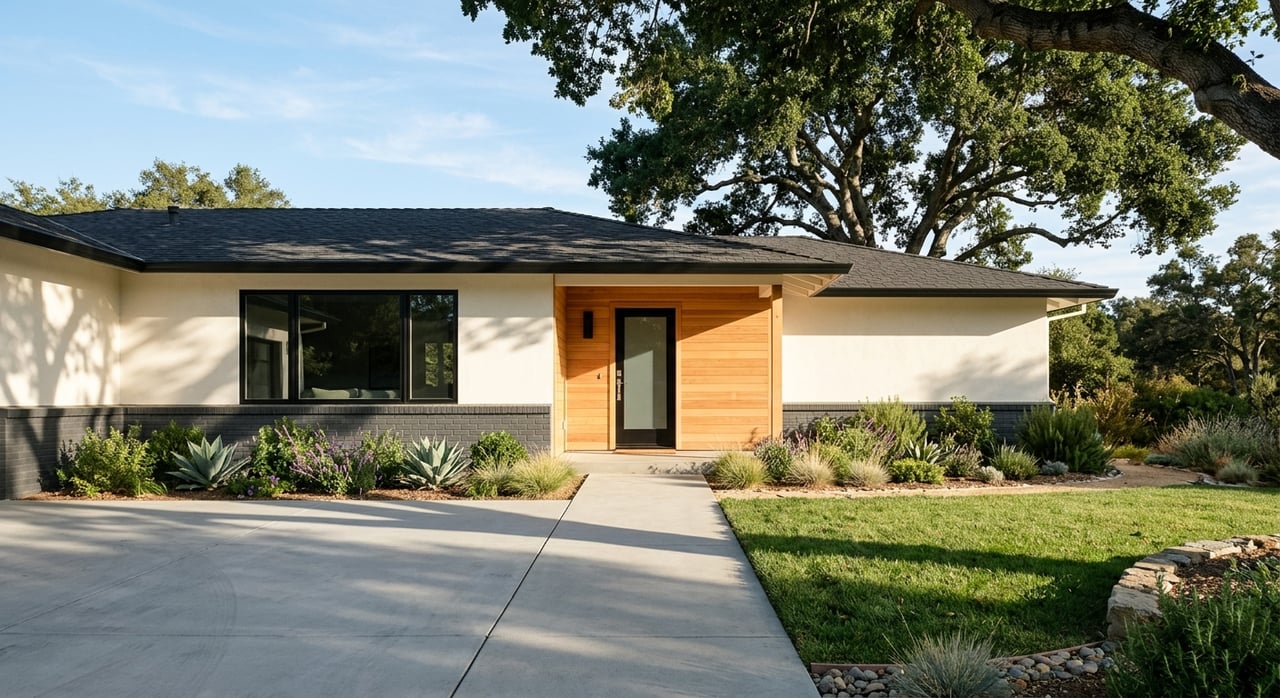
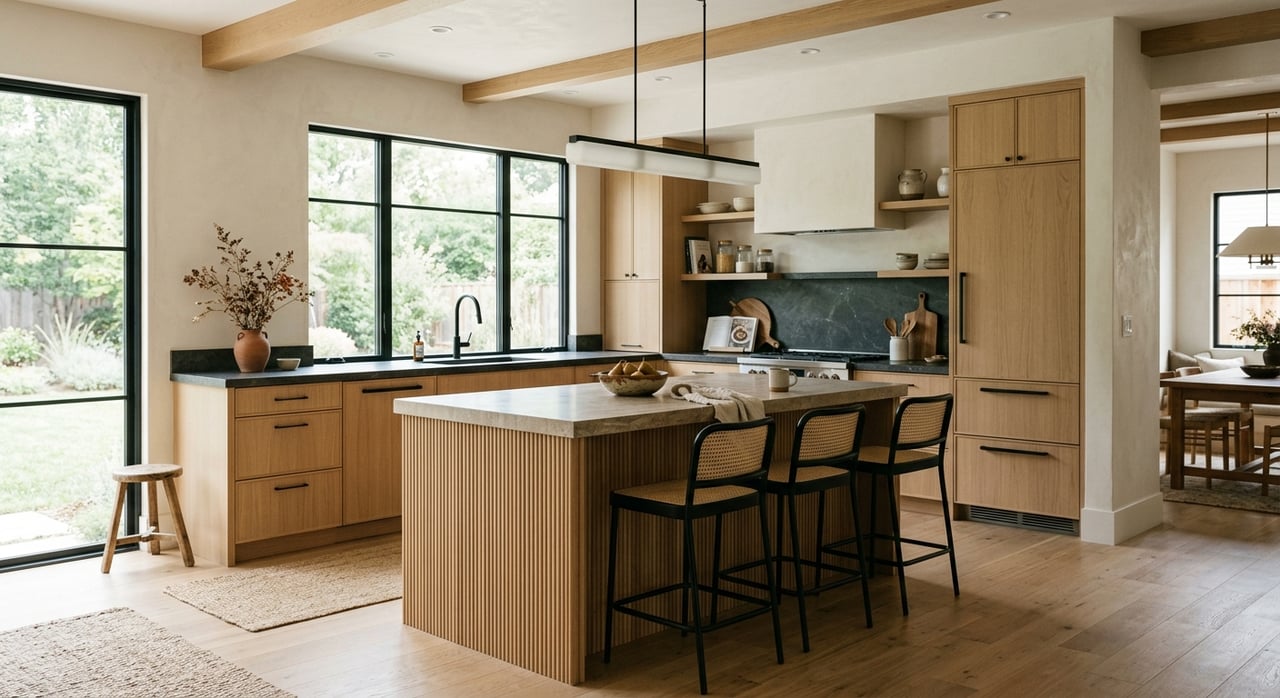
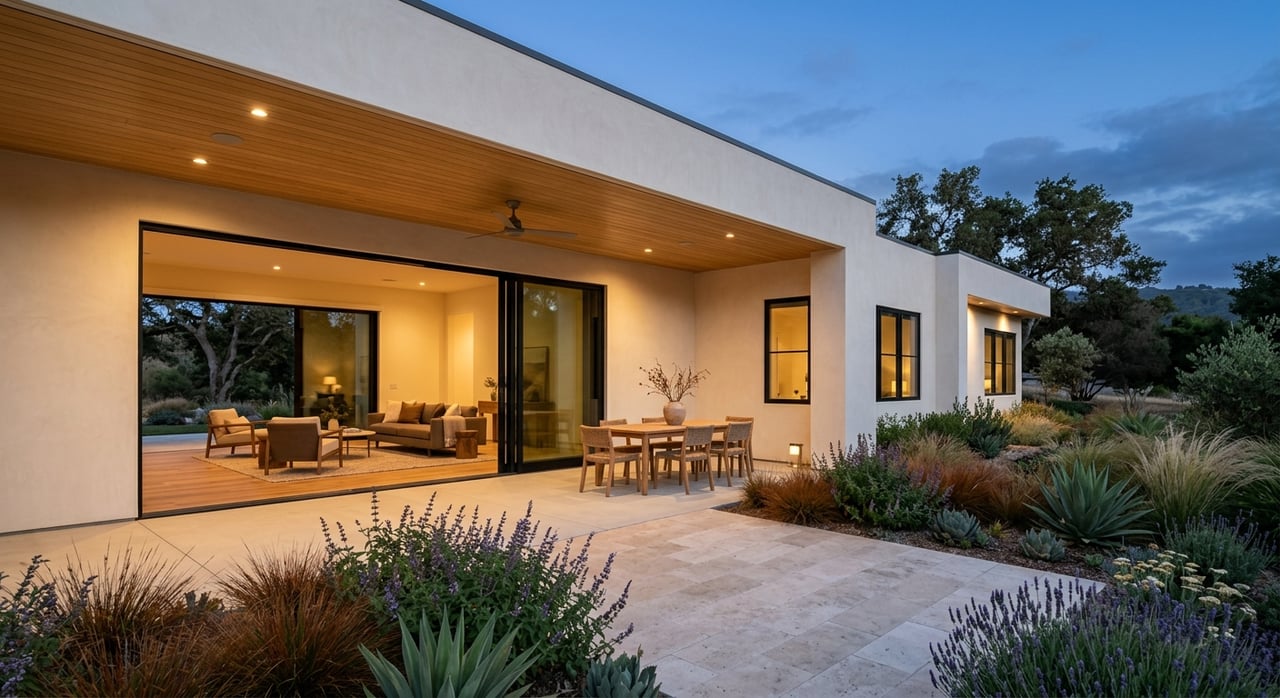
In Malibu, buyers respond to lifestyle. Stage to highlight view lines, indoor-outdoor flow, privacy, and how the home lives from sunrise to sunset. Keep decor neutral, elevate texture and light, and let the setting lead.
Must-have marketing assets
- Professional photography shot both daytime and twilight, plus high-resolution drone to show shoreline context.
- A Matterport-style 3D tour to qualify out-of-area and international buyers. These tours can increase engagement and help listings sell faster by enabling remote viewing. Learn how virtual tours boost buyer engagement.
- A 90 to 150 second lifestyle video emphasizing location, privacy, and outdoor areas.
- Accurate floor plans, a dedicated microsite with SEO-friendly copy, and a downloadable brochure.
- High-end print collateral for broker previews and private events.
Launch plan and first two weeks
Aim for a short, high-impact public window. Many sellers publish late week to capture weekend traffic, then concentrate activity over the first 7 to 14 days.
- Week 1: Broker preview and invitation-only showings for top agents and qualified clients.
- Global digital push: listing microsite, 3D tour, video, and targeted social and email.
- Week 2: Private events or second-look appointments for serious prospects.
Keep the cadence tight, track inquiries daily, and adjust quickly if feedback suggests a pricing or presentation tweak.
Marketing distribution that reaches real buyers
A hybrid plan works best in Malibu:
- Regional visibility via the local MLS and major consumer portals to ensure complete market coverage.
- Global luxury outreach through established brand networks to reach UHNW and out-of-area buyers.
- Editorial placements and targeted digital campaigns that position the property as a lifestyle opportunity, not just a set of features.
- Curated broker communication and invite-only events to create urgency among qualified prospects.
Permits, hazards, and disclosures you should prep early
California requires a Natural Hazard Disclosure in transactions covered by the Transfer Disclosure Statement. It identifies mapped areas such as flood, very high fire hazard severity zones, and seismic zones. Many sellers order a third-party NHD report early to streamline disclosures. Review the California NHD quick guide.
If your property sits in a high or very high fire hazard severity zone, be ready with defensible-space documentation and any home-hardening disclosures or inspection records required locally. Your agent can help you confirm what applies to your address. See CAR’s summary of wildfire-related disclosures.
For oceanfront or bluff properties, pull permit records and any coastal development history early. Buyers and their advisors will look for shoreline protective devices, erosion or setback studies, and any previous enforcement actions. Addressing these up front can prevent delays later.
Seller checklist
- Align on timing and pricing with a current CMA and a clear launch plan.
- Order NHD and confirm any wildfire or home-hardening requirements.
- Review coastal and permitting history; resolve open items where feasible.
- Complete key repairs and schedule staging, photography, drone, 3D tour, and video.
- Produce a property microsite, floor plans, and premium print collateral.
- Soft-launch to brokers, then execute a high-impact first two weeks.
- Monitor feedback and adjust quickly if the market signals a change is needed.
How Karen Sandvig supports your sale
You deserve a concierge process that protects your time and maximizes your result. Karen Sandvig pairs premium presentation and meticulous preparation with Coldwell Banker Global Luxury marketing to reach qualified buyers across Southern California and beyond. From staging and media production to a tailored launch plan and negotiation, you get a calm, detail-forward experience.
If you’re considering selling in Malibu or the surrounding luxury suburbs, request a private strategy consult and custom timeline. When you’re ready, connect with Karen Sandvig for a complimentary home valuation and marketing plan.
FAQs
How long does it take to sell a Malibu luxury home?
- Malibu’s 90265 median days on market was about 121 as of December 2025, but outcomes vary by price, condition, inventory, and location; with correct pricing and premium marketing, qualified interest can arrive within 2 to 8 weeks, though some properties take longer.
Is staging really necessary at $5 million and above?
- Yes. The National Association of REALTORS reports that staging often shortens time on market and can increase offered value in a meaningful share of transactions, making it a cost-effective step for luxury homes.
What disclosures are unique to Malibu and coastal properties?
- All California sellers complete a Natural Hazard Disclosure, and properties in mapped fire zones may have wildfire-related and home-hardening requirements; oceanfront and bluff homes often have coastal permits and shoreline records buyers will review, so gather those early.