
Thinking about upsizing but not sure whether Simi Valley, the Conejo Valley, or the San Fernando Valley is the better fit? As a move-up buyer, you want more space, a comfortable commute, and a lifestyle that matches your day-to-day. The challenge is balancing value, location, and amenities without second-guessing your choice. In this guide, you’ll see how these nearby suburbs differ on price and value, home types and lot sizes, commute options, and outdoor access so you can focus on what matters most. Let’s dive in.
Price and value overview
Simi Valley: More space per dollar
Simi Valley is generally positioned as a more affordable Ventura County option with strong value per square foot. You tend to find a higher share of mid-priced single-family homes and larger yards compared with many Conejo Valley neighborhoods and Westside-adjacent San Fernando Valley pockets. If your priority is lot size and detached homes, Simi often stretches your budget further.
Conejo Valley: Premium tiers and amenities
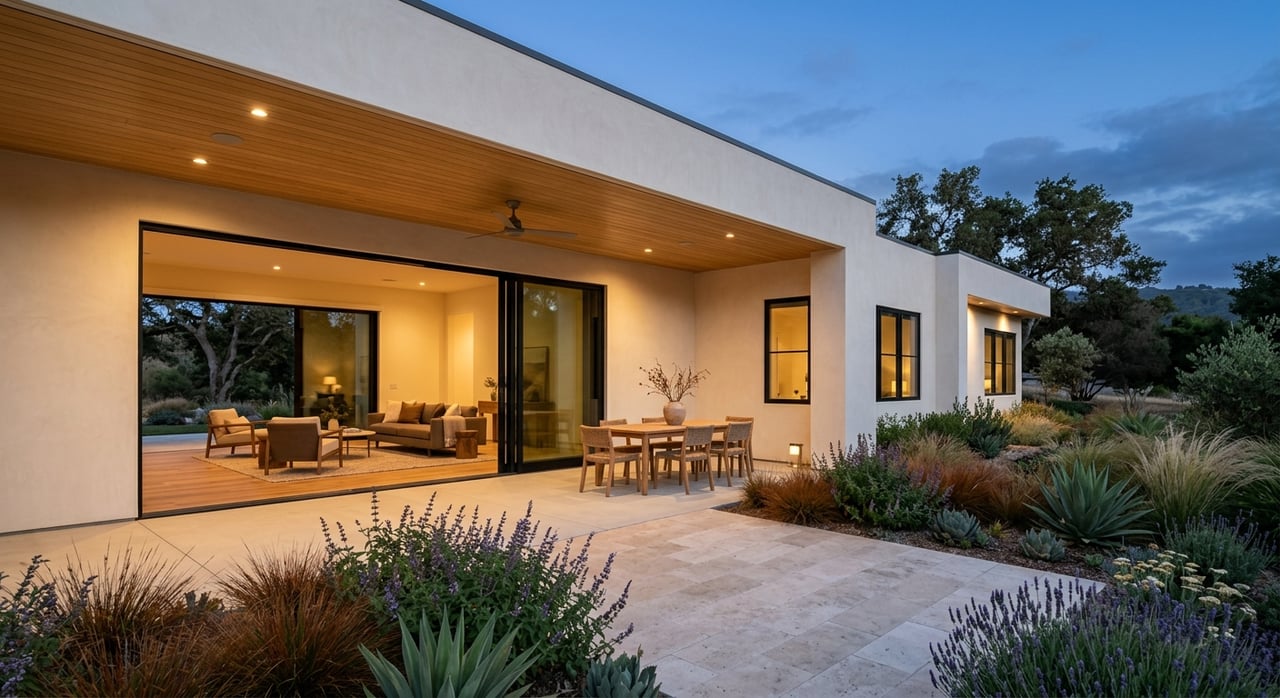
Thousand Oaks, Newbury Park, Westlake Village, Agoura Hills, and Calabasas typically carry higher price points. You’ll see a broader range up to luxury and estate properties, more gated communities, and private amenities like golf and resort offerings, especially in Westlake Village and parts of Calabasas and Agoura Hills. Buyers who want turnkey luxury or newer high-end construction often focus here.
San Fernando Valley: Proximity premium, variable pricing
The SFV is highly variable. Neighborhoods close to the 101 and 405 or near the Valley–Westside border, such as Studio City, Sherman Oaks, and Encino, can match or exceed Conejo pricing. Western SFV areas like West Hills, Canoga Park, and parts of Woodland Hills can be closer to Simi on price, though typical lots are smaller and density is higher.
Homes and lot sizes
Simi Valley: Tracts, yards, and room to expand
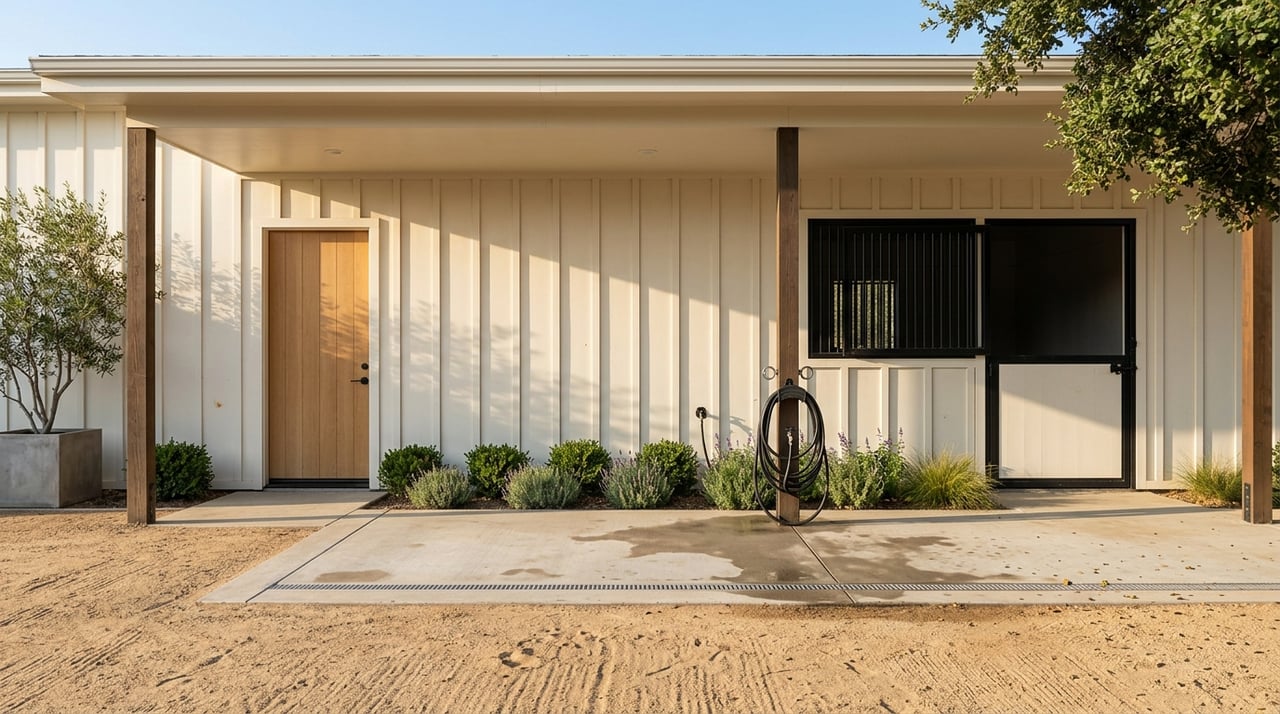
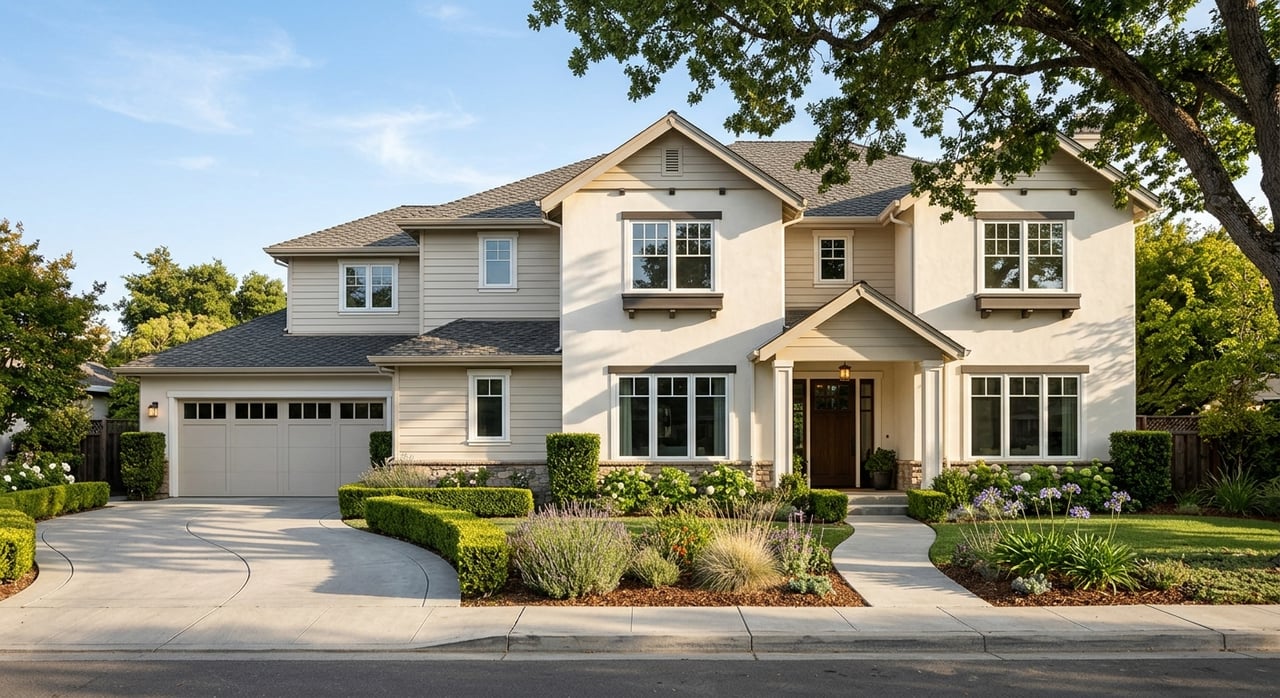
Simi’s housing stock is predominantly single-family detached homes built from the postwar era through the 1990s, with some newer infill and hillside properties. Townhomes and condos exist but are a smaller share of inventory. Many tract homes sit on lots often described around 6,000 to 10,000 plus square feet, and there are hillside or equestrian pockets with substantially larger acreage. Move-up buyers often find extra bedrooms, more square footage, and opportunities to add an ADU or expand a garage.
Conejo Valley: Estates and planned luxury
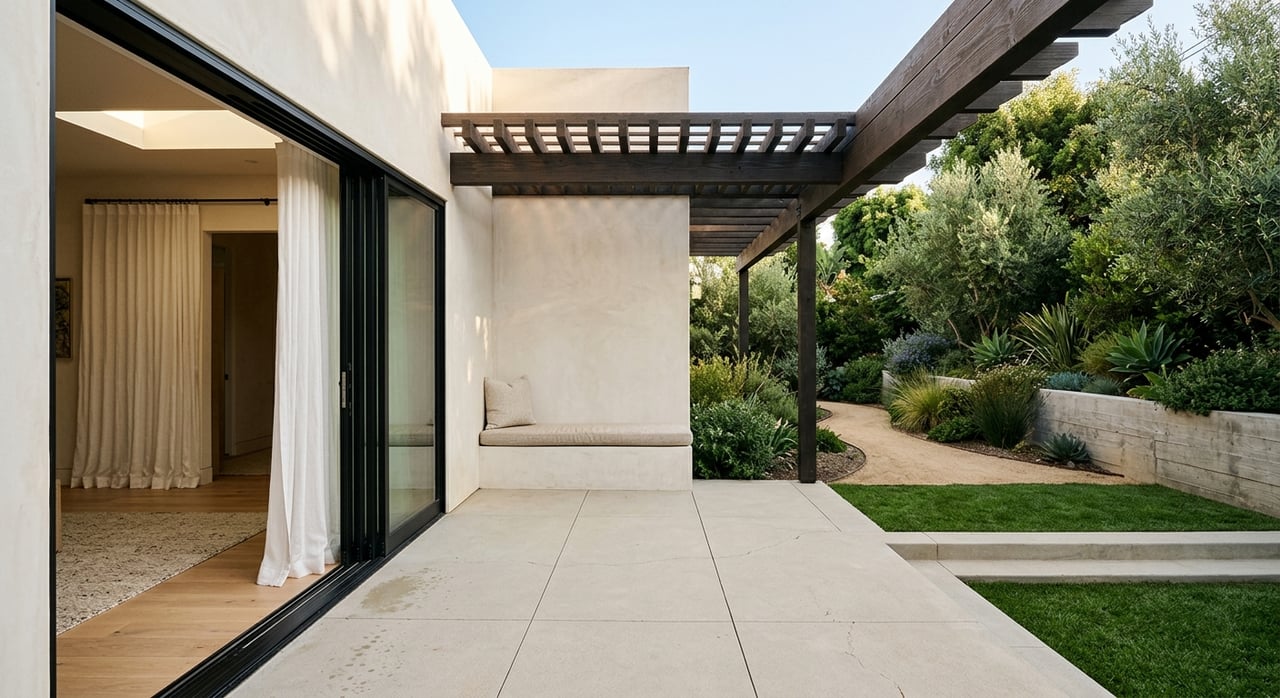
Conejo offers a mix of mid-century and later single-family homes along with a higher share of larger custom estates and gated communities. Lots can span from 10,000 square feet to several acres in luxury neighborhoods. While condos and townhomes are available, move-up buyers here typically focus on detached homes or estate properties, including communities with private amenities.
San Fernando Valley: Older stock, renovated options
In the SFV, you’ll see a broad mix of older single-family homes, bungalows, and ranch-style properties, with denser condos and townhomes in some corridors. Many homes closer to central LA were built before the 1970s and have since been remodeled. Typical inner-Valley lots are often in the 4,000 to 7,000 square foot range. Buyers seeking proximity to LA often consider rebuilt or modernized homes, accepting smaller yards in exchange for location.
Commute and transit
Key corridors and patterns
From Simi Valley, primary routes include SR-118 east toward the San Fernando Valley, CA-23 south to the 101, and US-101 toward West LA. Commuters from Conejo mainly use the 101 and 23, with 101 providing direct access to West LA and the Valley corridor. SFV commuters rely on the 101, 405, and 101/170. Peak congestion is common across all major routes, so actual travel time depends heavily on departure time and destination.
Rail and regional buses
Simi Valley has a commuter rail option at the Simi Valley Station on the Metrolink Ventura County Line, which connects to Los Angeles Union Station and broader transit links. This can be a significant advantage if you prefer rail over driving to downtown LA. For regional buses, the Ventura County Transportation Commission operates intercity services in Ventura County, while LA Metro provides local routes in the SFV. Service frequency and park-and-ride options vary by corridor, so checking current schedules is wise.
Commute trade-offs
- Simi Valley: You often accept a longer drive in exchange for larger homes and lots. If your job is downtown, Metrolink can help offset drive time.
- Conejo Valley: You may see somewhat shorter drives to West LA compared with Simi, though peak congestion still affects the 101.
- San Fernando Valley: Proximity to Valley or Westside jobs can shorten the commute, but smaller lots and higher prices near the 101/405 are common trade-offs.
Outdoor access and lifestyle
Simi Valley: Trails, parks, and equestrian pockets
Outdoor access is a highlight. You have immediate reach to the Simi Hills, Rocky Peak, and trails near Rancho Simi Recreation and Park District sites like Oak Canyon and Corriganville. For park and program details, explore the Rancho Simi Recreation & Park District. The area also has equestrian-friendly pockets and a suburban, family-focused feel with larger backyards.
Conejo Valley: Open space and private amenities
Conejo Valley features extensive open space systems and family-friendly parks, plus access to the Santa Monica Mountains and destinations like Wildwood Regional Park. Many neighborhoods are close to golf, lake, or club amenities, particularly in Westlake Village. If you like upscale suburban living with planned communities and private recreation, Conejo aligns well.
San Fernando Valley: Urban energy with major parks
The SFV mixes suburban streets with more urban amenities like restaurants and entertainment. You still have strong outdoor options, from Santa Monica Mountains trailheads and Topanga access to major parks such as Griffith Park for northern pockets. Western SFV can be comparable to Simi for beach distance, while central SFV is generally farther from the coast.
Coastal access at a glance
Simi Valley is roughly 20 to 40 miles from Ventura, Oxnard, and Thousand Oaks coastal points depending on your route and traffic. Conejo communities like Westlake Village, Agoura Hills, and Calabasas are generally similar or slightly closer to Malibu and the western Santa Monica Mountains. For regional trail and park information, the National Park Service’s Santa Monica Mountains is a helpful resource.
Which area fits your goals?
Consider these common move-up profiles to clarify fit:
- You want the biggest yard and room to grow: Simi Valley often delivers more lot and square footage within a given budget, with move-up tracts and ADU potential.
- You want move-in luxury with private amenities: Conejo Valley offers a wider range of estate properties, gated neighborhoods, and newer high-end construction.
- You want the shortest commute to LA job centers: The SFV can reduce drive times depending on location, but you typically trade down on lot size and pay a proximity premium.
How to compare like a pro
Use a simple, data-backed checklist to narrow your choice:
Price trends and inventory
- Track median sale price and price per square foot for the last 12 months by city and neighborhood. The California Association of Realtors offers county and metro trend insights you can pair with local MLS data.
- Watch active listings, months of supply, and median days on market to understand competition for your target price range.
Housing mix and lot sizes
- Confirm parcel sizes and typical ranges before you tour. County assessor data is a reliable source: see the Ventura County Assessor and the Los Angeles County Assessor.
- Note year-built distributions and plan for renovation budgets if considering older SFV homes.
Commute and transit
- Map your daily routes and test drive times at peak and off-peak hours. For baseline commute statistics and modes, review the U.S. Census American Community Survey.
- If downtown LA is part of your routine, check the Metrolink Ventura County Line schedules and station access in Simi Valley.
- For regional buses, confirm current options with VCTC in Ventura County and LA Metro in the SFV.
Lifestyle and outdoor access
- List your weekly must-haves: parks and trails, golf or club access, dining and entertainment, proximity to the coast. Cross-check each area’s resources and travel times.
Ownership costs and governance
- Identify HOA presence, any special assessments, and neighborhood rules for additions or ADUs. This can differ between planned Conejo communities, Simi tracts, and SFV neighborhoods.
Smart trade-offs to weigh
- Value vs commute: Simi often delivers more home and land for the money, but plan for longer drives unless you leverage Metrolink or work locally.
- Turnkey vs renovation: Conejo has more move-in luxury choices, while Simi’s mid-age stock offers space to customize. The SFV offers proximity with many remodeled options, often on smaller lots.
- Lifestyle mix: Conejo emphasizes gated luxury and private amenities, Simi focuses on suburban space and parks, and the SFV leans into urban conveniences with major regional parks.
Your next step
If you want a calm, organized path to the right move-up purchase, partner with a local advisor who understands the trade-offs across these markets. With concierge-level guidance, you can time your sale, prepare your next purchase, and compare neighborhoods with confidence. When you are ready, connect with Karen Sandvig to Request a Complimentary Home Valuation & Marketing Plan.
FAQs
What makes Simi Valley a strong value for move-up buyers?
- You often get more lot size and square footage for a given budget compared with many Conejo Valley and central SFV neighborhoods, which appeals to buyers prioritizing space.
How do typical lot sizes compare across Simi, Conejo, and the SFV?
- Simi lots are often around 6,000 to 10,000 plus square feet with larger pockets. Conejo includes many larger estate lots up to several acres. Inner SFV lots are commonly smaller, often about 4,000 to 7,000 square feet.
Is Simi Valley practical if I work in downtown LA?
- Yes, especially if you use rail. The Simi Valley Station on the Metrolink Ventura County Line provides commuter access to Los Angeles Union Station, which can reduce drive time.
Where can I verify commute and housing data before deciding?
- Use the U.S. Census American Community Survey for commute modes and times, county assessors for parcel sizes, and C.A.R. reports for market trends, then pair with current MLS data.
How does outdoor access differ between these areas?
- Simi has immediate trail access and community parks nearby, Conejo offers extensive open space and private amenities, and the SFV blends urban conveniences with access to the Santa Monica Mountains and major parks like Griffith Park.