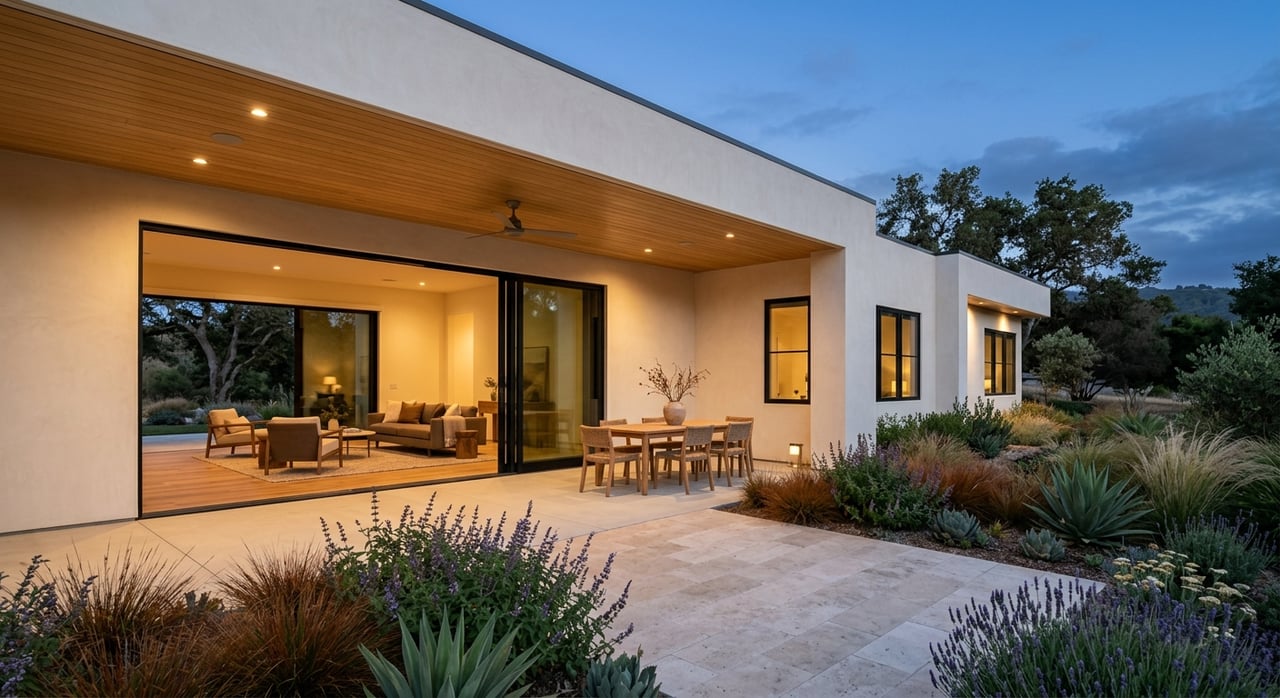
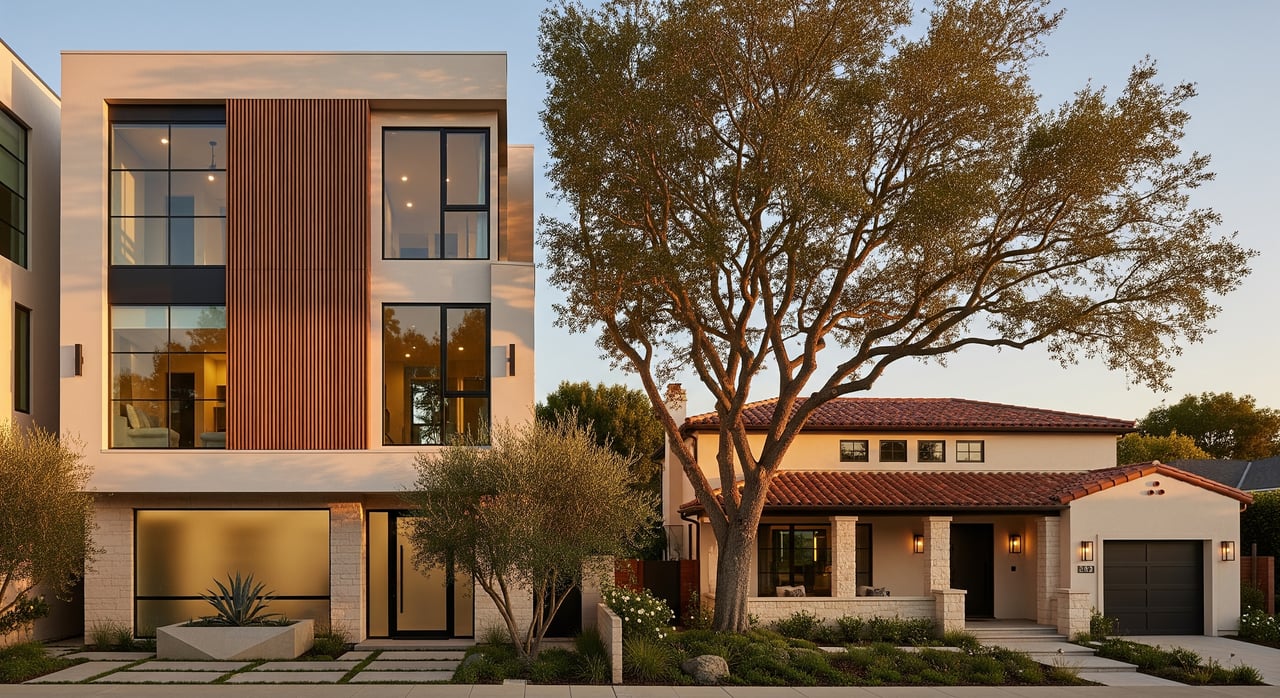
Trying to choose between a townhome and a single-family home in Oak Park? You are not alone. Many Ventura County buyers weigh lower-maintenance living and entry price against space, privacy, and long-term potential. In this guide, you will see how costs stack up, what daily life feels like in each option, and how to make a confident choice for your next move. Let’s dive in.
Oak Park snapshot
Oak Park in Ventura County offers a suburban feel with a mix of detached single-family homes and several attached communities. Detached homes typically sit on private lots with more yard space. Townhomes usually have smaller private outdoor areas, shared walls, and community amenities. If you are comparing neighborhoods with the same name, focus here is on Oak Park within the Ventura County market area.
Cost comparison: townhome vs single-family
Choosing between property types starts with the full monthly picture. Look beyond sticker price to ongoing ownership costs.
Purchase price basics
- Single-family homes often command higher prices because you are buying more land. Land scarcity is a major value driver in coastal and suburban Southern California.
- Townhomes typically offer a lower entry price in the same general area, which can make them attractive for first-time buyers or downsizers.
- Use recent local comps from the MLS to compare price per square foot and median sold prices for each Oak Park subarea.
Monthly cost formula
Your decision gets clearer when you compare the same line items side by side. A practical formula is:
- Mortgage payment
- Property tax (about 1 percent of assessed value, plus local assessments)
- Insurance
- HOA dues, if any
- Maintenance reserve
- Utilities and landscaping
- Parking or garage costs, if applicable
- Any known special assessments
HOA fees and what they cover
Townhomes usually include a monthly HOA fee. What it covers varies by community. Typical inclusions can be exterior maintenance, roof reserves, common-area landscaping, trash, master insurance, and amenities like a pool or gym.
- The tradeoff: HOAs can reduce your direct maintenance tasks, but the fee is ongoing and can rise.
- Always review the HOA budget, reserve study, insurance coverage, and meeting minutes to understand financial health and any planned projects.
Property taxes and transfer costs
California’s property tax system generally starts around 1 percent of assessed value, with local voter-approved assessments added on. Assessment increases are limited until a sale triggers reassessment.
- When you buy, factor in city or county transfer taxes and recording fees. These vary by locality and can affect your closing costs.
- Use Ventura County Assessor and Recorder data to confirm parcel details and current tax or assessment line items.
Insurance differences
- Single-family homes typically require an HO-3 policy that covers the structure and improvements. You are responsible for the exterior and land-related risks.
- Townhomes often use an HO-6 policy for the interior, personal property, and liability. The HOA carries a master policy for shared structures and common areas.
- Verify whether the master policy is walls-in or all-in. Gaps can exist, and your lender will require proof of adequate coverage before closing.
Maintenance and reserves
- Single-family homes put exterior systems squarely on you. Roofs, exterior paint, landscaping, drainage, and fences can add variable costs. Many owners set aside 1 to 3 percent of home value annually, more for older homes.
- Townhomes reduce hands-on maintenance if the HOA covers exterior work. You still need a personal reserve for interior repairs and the possibility of special assessments if reserves are underfunded.
Utilities and landscaping
- Single-family yards usually mean higher water usage, irrigation upkeep, and landscaping costs. Seasonal water rules and tiered rates can influence your bill.
- Townhomes often include some landscaping via the HOA, which can stabilize part of your monthly spend.
Financing notes
- Conventional, FHA, and VA loans are available for both property types. Some condo and townhome communities require project approval or lender review of HOA documents.
- Lenders may scrutinize HOA reserves, insurance, and litigation status. This can affect loan options and timelines, so start early with pre-approval and HOA review.
Lifestyle tradeoffs that matter
Beyond dollars, think about how you want to live day to day. Space, noise, rules, and amenities shape your experience.
Space and privacy
- Single-family homes offer more separation from neighbors, flexible indoor layouts, and room for hobbies, pets, or gatherings.
- Townhomes share walls, which can affect noise levels. In exchange, you often gain convenience and less outdoor upkeep.
Yard and ADU potential
- Many single-family lots allow additions or accessory dwelling units, subject to local zoning and state ADU law. ADUs can add flexibility for guests or rental income.
- Townhomes usually have limited land to expand. Most HOAs restrict external additions or require complex approval processes.
Parking and storage
- Single-family homes typically include a private garage and driveway. Storage and guest parking are simpler.
- Townhome parking varies by project. Assigned spaces and guest parking are governed by HOA rules, which can affect daily convenience.
Amenities and community
- Townhome communities often feature shared amenities like pools, gyms, and landscaped common areas. This can suit a managed, lock-and-leave lifestyle.
- Single-family neighborhoods rely on private yards and nearby public parks. Community feel varies by street and block.
Rules, pets, and flexibility
- HOAs may have rules on exterior modifications, paint colors, fencing, and pets. This maintains consistency but limits customization.
- Single-family homes offer more freedom to tailor your property, within local codes and permitting requirements.
Accessibility and aging in place
- Some townhomes include single-level floor plans or elevator access, which can be appealing for downsizing.
- Single-family homes can be adapted with ramps, bathrooms, and smart-home features. You will manage any exterior upkeep.
Resale and investment outlook
Thinking long term helps you assess both appreciation and liquidity.
Appreciation drivers
- In many Southern California markets, land value, location convenience, and community factors support single-family premiums.
- Townhomes can outperform in periods where affordability tightens and buyers seek lower entry points.
- Track local trends with Days on Market, price per square foot, and neighborhood-level comps to gauge momentum.
Liquidity and buyer pools
- Single-family homes attract a larger buyer pool that includes move-up families and a range of investors, which can aid resale.
- Townhome demand is strongest with buyers prioritizing value and low maintenance. Resale can depend heavily on the project’s desirability and HOA reputation.
HOA health and resale risk
- Before buying a townhome, evaluate the HOA reserve fund, special assessment history, delinquency rates, enforcement practices, and any litigation. These items can affect value and financing.
- A well-run HOA supports stable resale. Significant deferred maintenance or lawsuits can narrow your buyer pool.
Your decision checklist
Use this quick list to compare your short list of homes and avoid surprises.
Buyer checklist
- Confirm exact Oak Park neighborhood boundaries and school district assignment using official district maps.
- Pull recent comparable sales for both single-family and townhomes through the local MLS.
- For townhomes, request the full HOA packet, including CC&Rs, bylaws, budget, reserve study, master insurance policy, meeting minutes, special assessments, and any litigation disclosures.
- For single-family homes, check pest and termite history, roof age, irrigation and drainage, fencing, driveway, and permit records for any renovations.
- Obtain insurance quotes for HO-3 and HO-6 policies, and confirm how the HOA master policy integrates with your coverage.
- Confirm your loan options, including any condo project approvals for FHA or VA financing.
- Schedule a thorough home inspection that matches the property type, including sound transmission and party walls for townhomes.
Seller tips
- Prepare comps that highlight your property’s strengths, such as yard size, parking, HOA amenities, storage, and recent upgrades.
- Gather HOA documents early if selling a townhome.
- Consider pre-listing inspections and pest clearance where practical.
- Disclose known issues, special assessments, and permit history to build buyer confidence.
Local data sources to use
- Ventura County Assessor for parcel records, assessed values, and maps.
- Ventura County Recorder for transfer tax details and recorded documents.
- CRMLS for active inventory, sold comps, Days on Market, and price per square foot.
- City planning and building departments for zoning, ADU rules, and permitting.
- U.S. Census Bureau for household and housing characteristics.
- Local school districts for current boundary information.
- HUD, FHA, and VA resources for condo and townhome project approvals.
The bottom line
If you value space, privacy, and future expansion, a single-family home in Oak Park often aligns with your lifestyle and long-term plans. If you prefer lower maintenance, a strong amenities mix, and a more accessible entry price, a townhome can be a smart fit. Either path can work well if you compare the full monthly cost, review the right documents, and match the home to how you live.
When you are ready to narrow choices, bring your short list and questions. With deep Conejo Valley expertise, polished presentation, and concierge-level guidance, Karen Sandvig will help you compare options, understand the tradeoffs, and move forward with confidence. Request a Complimentary Home Valuation & Marketing Plan.
FAQs
Which costs more per month in Oak Park?
- It depends on the balance of HOA dues and reduced maintenance for townhomes versus higher maintenance and landscaping for single-family homes. Compare all line items before deciding.
Are townhomes easier to maintain?
- Usually yes for exterior items if the HOA covers roofs, paint, and landscaping, but you should still budget for interior repairs and possible special assessments.
Is a single-family home a better investment?
- Single-family homes often benefit from land value and broad buyer demand, while townhomes can excel when affordability drives demand. Local comps and trends matter most.
Can I add an ADU in Oak Park?
- ADUs are more likely on single-family lots, subject to local zoning and state law. Townhomes have limited land and HOA restrictions that often prevent external additions.
Do HOAs affect financing for townhomes?
- Yes. Lenders review HOA reserves, insurance, project approvals, and litigation. Some communities may not qualify for certain loan types, which can limit options.