Are you weighing the value of barns, arenas, or trail access on an Agoura Hills property? If you own or want to buy a horse-capable home, you know those features can be powerful, but also highly specialized. In this guide, you’ll learn which equestrian elements typically add value, what can limit marketability, and how to navigate appraisals, permits, water, and wildfire. You’ll also get practical checklists to help you buy or sell with confidence. Let’s dive in.
Why equestrian features matter in Agoura Hills
Agoura Hills sits at the eastern edge of the Santa Monica Mountains, where suburban streets meet semi-rural hills and valleys. Many properties here were designed with horses in mind, and the regional trail network is a major lifestyle draw. If you ride, train, or simply want acreage and privacy, horse-ready features can make a property feel turn-key from day one.
At the same time, equestrian improvements appeal to a focused buyer pool. That can mean strong interest among the right buyers, but it can also make pricing and marketing more nuanced. Understanding what adds value and what does not helps you plan your purchase or sale with clarity.
Local lifestyle drivers
- The nearby trail network and equestrian facilities support daily riding and training, which can boost appeal for active riders.
- Local access to veterinarians, farriers, feed suppliers, and tack shops influences functional value and convenience.
- Acreage that is usable and well-drained supports turnout and pasture management, two features many buyers prioritize.
Focused buyer demand
- Equestrian properties attract recreational riders, trainers, families seeking space, and operator-owners who may board horses or offer lessons where allowed.
- Demand can be price sensitive and may shift year to year. Plan decisions around current comps and buyer expectations.
What adds value in Agoura Hills
These features are common value drivers when they are well designed, safe, and permitted.
- Usable, fenced acreage. Level or gently sloped, well-drained areas with safe, secure fencing are often top of the list for equestrian buyers.
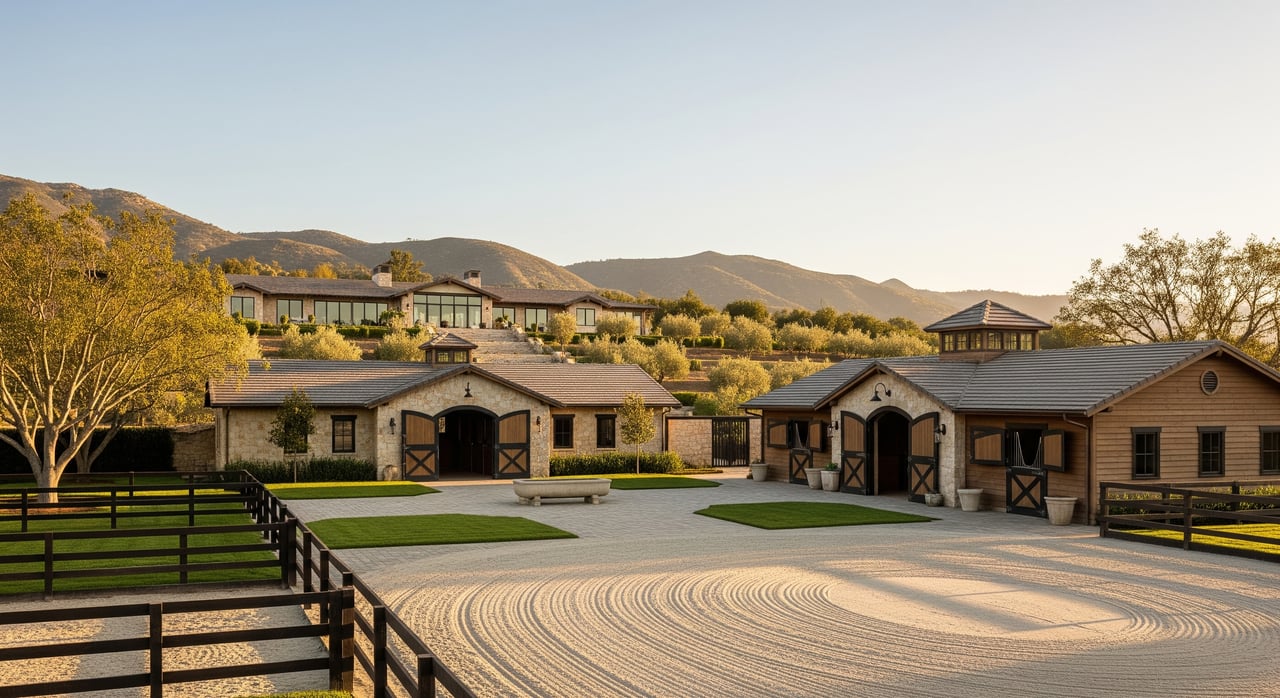
- Professionally built, permitted barns or stables. Adequate stall sizes, tack rooms, feed and hay storage, and good ventilation reduce immediate capital needs and liability concerns.
- Arena and riding spaces. A fenced arena, round pen, or dressage space with quality footing increases usability and shortens the move-in timeline for riders.
- Water infrastructure. Reliable domestic water, dedicated equestrian hydrants, and sufficient supply for horses and dust control are highly valued in California.
- Trail proximity and turnout. Direct access or a short trailer drive to trailheads is a major lifestyle premium for many riders.
- Income potential where allowed. Properties with the proper zoning and infrastructure that support boarding or lessons can command higher value for operator-owners.
- Low-maintenance design. Thoughtful drainage, manure management, and ample storage reduce ongoing costs and daily labor.
What can reduce value
These factors can narrow the buyer pool, complicate financing, or trigger extra costs.
- Narrower demand. Highly specialized improvements may not appeal to general residential buyers, which can impact time on market.
- Maintenance costs. Fencing, barns, arena footing, and pasture care all require ongoing spending. Buyers may discount for anticipated upkeep.
- Unpermitted or nonconforming structures. Improvements built without permits or outside zoning rules can require corrections, reduce value, and complicate escrow.
- Environmental limits. Oak tree protections, habitat rules, or stream setbacks can reduce usable acreage or require mitigation.
- Wildfire exposure. Properties in the wildland-urban interface often need defensible space and may face higher insurance costs.
- Infrastructure constraints. Limited septic or water capacity can cap the number of horses or uses the property can support.
Appraisal and comps
Appraisers typically measure equestrian features by their contributory value. If recent comparable sales with similar barns, arenas, or acreage are available, they can adjust values accordingly. When local comps are limited, appraisers may use a cost-to-construct-minus-depreciation approach and, if needed, consider comps from nearby areas with similar characteristics.
Because the feature set is specialized, lenders may prefer an appraiser with equestrian experience. Clear documentation, professional plans, permit records, and a recent improvement list help support value during underwriting.
Seller prep checklist
Presenting equestrian improvements well and documenting them clearly can improve marketability and appraisability.
- Documentation
- Building permits and plans for barns, arenas, grading, and accessory structures
- Septic and well capacity records or municipal water details
- Maintenance logs for roofing, electrical, footing, and fencing
- Insurance claims history and any warranties
- Condition and safety
- Verify fencing integrity, gates, and latches
- Check barn electrical and lighting for safety and code compliance
- Refresh arena footing and address drainage trouble spots
- Strategic upgrades
- Improve ventilation in stalls and repair roofs as needed
- Address water delivery points for horses and dust control
- Tidy hay, feed, and tack storage to show ample capacity
- Messaging
- Highlight trail access, service proximity, and allowed equestrian uses based on property jurisdiction
Buyer due diligence
A systematic inspection plan can protect your investment and clarify your total cost of ownership.
- Technical inspections
- Barn structure, roof, and electrical systems
- Plumbing, wash racks, and hydrants
- Arena footing, base, and drainage
- Fence integrity, gates, and turnout surfaces
- Well testing, water pressure, and septic capacity
- Permits and zoning
- Confirm that barns, arenas, and grading were permitted
- Verify allowed uses, including boarding or instruction, and whether a conditional use permit is required
- Horse-specific logistics
- Stall dimensions, aisle widths, and ventilation
- Tack and feed storage capacity and placement
- Manure handling and odor control practices
- Insurance and services
- Obtain quotes for homeowner or ranch coverage and any equine liability needs
- Confirm proximity of veterinarians, farriers, feed suppliers, and emergency services
Permits and zoning basics
Agoura Hills has city zoning rules, and some properties near the boundaries may fall under Los Angeles County. Always verify which jurisdiction applies.
- Permits are typically required for barns, stables, arenas that involve grading, and most accessory structures.
- Commercial uses, such as boarding or lessons, may require a conditional use permit or business approvals.
- Setbacks, lot-size minimums for animal keeping, and limits on horse counts can apply by zone.
Because codes evolve, confirm current requirements with the City of Agoura Hills Planning Department or Los Angeles County Department of Regional Planning before building, expanding, or changing use.
Water, septic, and manure
Water reliability and waste management are central to safety, health, and neighbor relations.
- Water supply
- Verify well output or municipal water capacity for horses, dust control, and any irrigated pasture
- Check for separate meters or pressure systems dedicated to equestrian areas
- Septic and wastewater
- Confirm septic size and performance to support your household and any staff or client usage
- Ensure wash areas drain properly and comply with local rules
- Manure management
- Review storage methods, removal schedules, and run-off controls
- Check HOA or CC&R rules that may specify handling practices
Wildfire risk and insurance
Agoura Hills includes wildland-urban interface areas where defensible space and building standards are essential. Many insurers assess wildfire exposure closely, which can affect premiums or coverage.
- Create and maintain defensible space by clearing vegetation and managing fuel within required distances.
- Use ember-resistant vents and Class A roofing where applicable, and maintain clean gutters and roofs.
- Obtain insurance quotes early in your due diligence or pre-listing process.
- Prepare an evacuation plan for horses and confirm trailer access and turnaround space.
Pricing and marketing
Because equestrian buyers have specific needs, pricing and presentation should reflect real, local demand. Anchor your list price to recent, relevant comps and the documented quality of your improvements. When comps are thin, detailed records of costs, permits, and maintenance help buyers and appraisers understand value.
Presentation matters. Thoughtful staging for barns and turnouts, clear wayfinding on the property, and high-quality photography of arenas, stalls, and trailside features ensure buyers grasp the full equestrian story. Targeted marketing that reaches regional and out-of-area riders can expand the pool of qualified prospects.
Next steps
If you are selling, gather permits, plans, and maintenance records now and consider pre-listing inspections for barns, electrical, and drainage. If you are buying, line up specialized inspections, confirm jurisdiction and allowed uses, and get early insurance quotes. In both cases, verify current rules with city or county planning staff and be ready to share or review documentation during escrow.
For guidance on valuation, pricing, and a targeted go-to-market plan for equestrian properties, connect with Karen Sandvig. Request a Complimentary Home Valuation & Marketing Plan tailored to your goals and timeline.
FAQs
Do equestrian features increase resale value in Agoura Hills?
- They can, especially when improvements are permitted, well designed, and supported by usable acreage, water, and nearby riding options; poor or unpermitted work can reduce value.
How do appraisers value barns and arenas on horse properties?
- Appraisers estimate contributory value using relevant comps when available or a cost-minus-depreciation approach, and may rely on experienced equestrian appraisers when features are unique.
What inspections should I order for an Agoura Hills horse property?
- Plan for barn structure and electrical, plumbing and hydrants, arena footing and drainage, fence safety, well and septic, plus horse-specific logistics like stall sizes and manure handling.
Are there restrictions on keeping horses in Agoura Hills?
- Yes, rules vary by city or county jurisdiction and zoning; verify allowable horse counts, setbacks, and whether commercial uses like boarding or lessons require permits.
How does wildfire risk affect horse properties and insurance?
- Properties in the wildland-urban interface may need defensible space and fire-resistant features, and insurance premiums or coverage can vary, so get quotes early.
What ongoing costs should I expect after buying a horse property?
- Budget for feed and hay, farrier and vet care, fencing and barn maintenance, arena upkeep, manure removal, utilities, and potentially higher insurance.